Posted on 16 Feb 2026
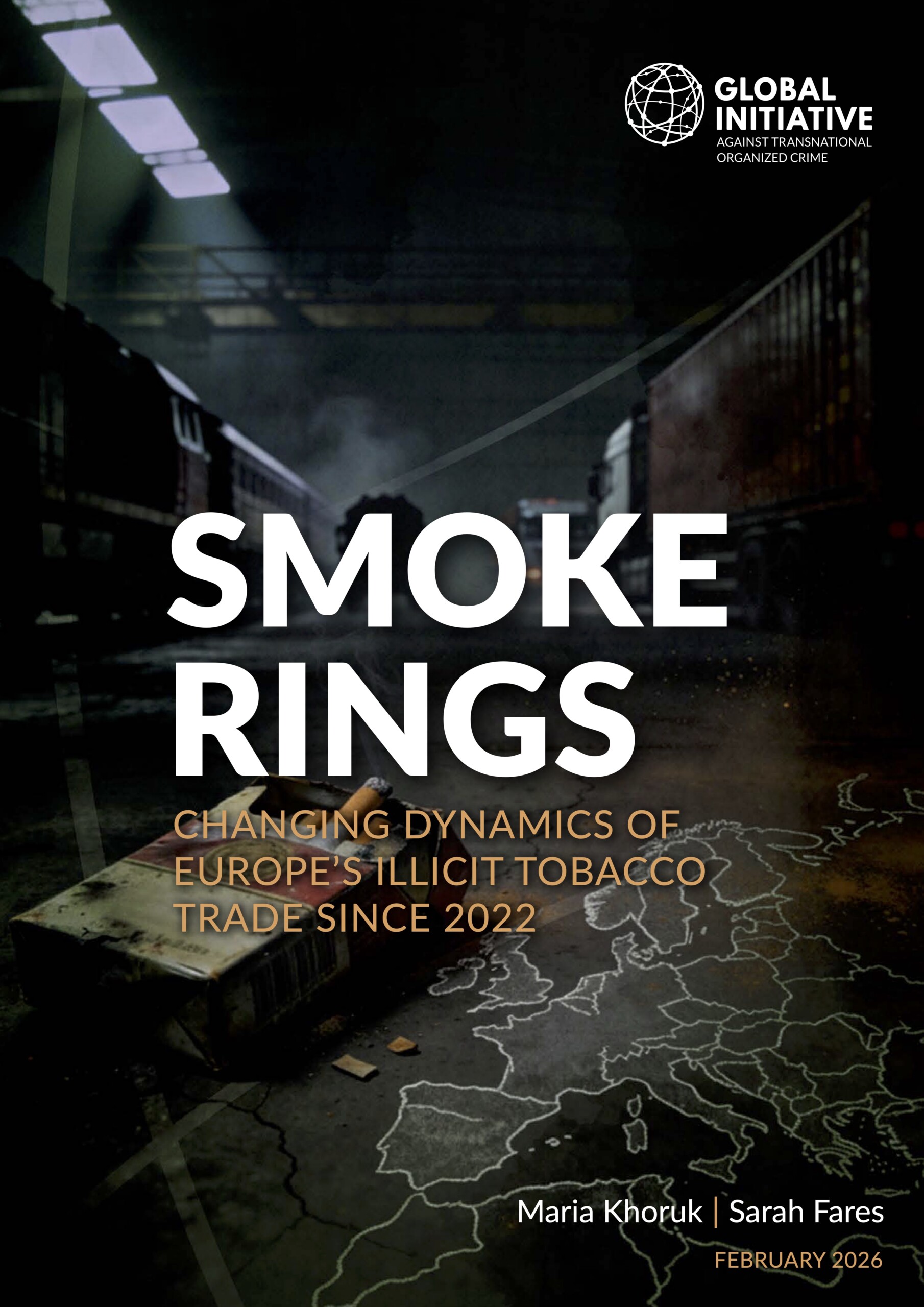
The illicit tobacco trade in Europe has undergone profound changes over the past five years. While smoking rates have steadily declined across the continent, illicit tobacco consumption has paradoxically been on the rise. Overshadowed by the vast legal market, the illicit tobacco trade often appears less urgent than other illicit economies, yet its true scope and harms are frequently underappreciated.
This report examines how Europe’s illicit tobacco market has evolved since 2022, shaped by the COVID-19 pandemic, geopolitical tensions and the full-scale Russo-Ukrainian war. The report documents how supply chains have been disrupted and reconfigured, resulting in a more decentralized, agile, and polycentric criminal economy.
Historically, lucrative demand markets for illicit tobacco were concentrated in high-tax jurisdictions such as the UK, France and Germany. Suppliers in Eastern European states with large-scale tobacco production and low cigarette prices —including Belarus, Moldova and Ukraine— capitalized on high price differentials. In 2019, one out of four illicit cigarettes consumed in Europe originated in these post-Soviet states. By 2023, however, up to 60% of illicit tobacco consumed in the EU was produced domestically.
The report highlights the rise of ‘guerrilla production’ within the EU: small-scale, decentralized and agile clandestine factories manufacturing counterfeit cigarettes. This shift reflects both the inherent logic of illicit markets —reducing risk and maximizing profits— and a volatile operational environment marked by sanctions, border closures and war disruptions. In 2023 alone, 113 illegal cigarette factories were dismantled across 22 European countries.
At the same time, traditional suppliers have tried to adapt to the changing environment. In Belarus, illicit tobacco production has operated on an industrial scale, facilitated by state-embedded actors and high-level corruption. Sanctions targeting the tobacco sector, combined with stricter border controls and the militarization of borders, have altered established smuggling routes. Smugglers have diversified their methods, using drones, air balloons, rafts and underground tunnels for small-volume shipments, while rerouting larger consignments through international transshipment hubs.
The illicit tobacco trade extends beyond tax losses —estimated at €11.6 billion in the EU in 2023— and encompasses coercion, exploitation and, at times, violence. Clandestine production often involves workers operating in exploitative environments, while revenues serve as venture capital for organized crime groups. The trade also intersects with broader political dynamics, from financing the authoritarian regime in Belarus to generating tax revenue for the war effort in Russia and Ukraine.
Digitalization has further reshaped the market. Online platforms, encrypted messaging applications and small-parcel delivery services have enabled contactless sales and lowered barriers to entry for newcomers.
Drawing on fieldwork in Ukraine, Romania and Slovakia, expert interviews across Europe and monitoring of online illicit marketplaces, Smoke Rings maps key trafficking routes, examines disruptions and adaptations, and analyses the rise of domestic illicit production. The report concludes with targeted recommendations for policymakers and law enforcement agencies seeking to address this evolving and multifaceted illicit economy.