Posted on 13 Aug 2026
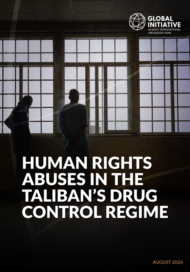
This report presents the initial findings of a significant field research on the conditions at drug treatment centres in Afghanistan, the broader situation of people who use drugs (PWUD) in the country, the behaviour of staff and authorities, community dynamics, and the evolving approach of the Taliban government with regard to rehabilitation programmes. The results reveal damning evidence of human rights abuses, in a context of restrictive social policies and the Taliban’s mixed scorecard on suppressing drug-related criminality.
When our researchers visited the facilities, they formed the impression that the treatment centres operated more like prisons than hospitals. There were no structured treatment plans, no therapy sessions or real rehabilitation frameworks in place. Medical care was almost absent, and we did not observe any systematic treatment for withdrawal or any structured psychological support being offered. As a result, people’s medical needs went untreated and their health concerns were not taken seriously.
Alongside the structural shortcomings, the research team observed issues with staff behaviour and their interactions with patients. While we did not witness any physical beatings first-hand, harassment and disrespect were commonplace. Patients were rarely listened to. They described feeling humiliated and pushed around. Instead of encouraging recovery, the disrespectful behaviour of staff increased patients’ feelings of resentment and hopelessness, making the situation worse.
The health and human rights abuses of PWUD in Afghanistan’s drug treatment facilities, as revealed by this report, reflect broader challenges in the country’s approach to drug control under the Taliban. Despite a large-scale anti-drugs campaign – including the destruction of methamphetamine laboratories and opium poppy plantations – drug trafficking continues across the country. The systematic dehumanization of PWUD, at both international and local levels, has enabled a situation that facilitates grave human rights abuses in conditions tantamount to prolonged torture. Interviews paint a picture of people being warehoused en masse and exposed to harsh conditions while receiving minimal care. The accounts speak for themselves.