Posted on 17 Mar 2026
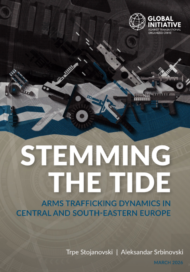
Across central Europe, firearm violence remains exceptionally low by both European and global standards, and organized crime has largely transitioned away from weapon-based operations toward activities such as drug distribution, fraud and cybercrime. Yet the region continues to play an important role in shaping the illicit circulation of firearms across Europe.
Historically, regulatory gaps in deactivation standards and conversion practices positioned parts of central Europe –particularly the Czech Republic and Slovakia– within broader European firearm trafficking networks. Converted, reactivated and poorly deactivated weapons flowed from these countries toward western and northern European criminal markets, while Poland functioned primarily as a transit corridor facilitating the movement of firearms across the region.
Over the past decade, however, the landscape has shifted. Harmonized European Union standards, strengthened export controls and sustained multinational enforcement operations have significantly altered trafficking dynamics. Conversion-driven trafficking has declined from earlier peak levels, and fewer reported trafficking cases compared with the 2010–2016 period suggest that coordinated legislative and enforcement responses can effectively address transnational threats.
Despite these changes, vulnerabilities remain. Legacy stockpiles continue circulating through criminal networks, and weapons deactivated under older, less rigorous standards remain in circulation. Export control challenges also persist. Research documented cases in which Slovak-manufactured weapons appeared in Russian hands and Czech firearms and ammunition reached the Russian market through intermediary states despite sanctions.
Another central challenge concerns the future security environment shaped by the war in Ukraine. Current evidence does not indicate substantial Ukrainian weapons inflows into Poland, the Czech Republic or Slovakia. However, the scale of weapons circulating during the conflict creates a structural risk environment. Should large-scale diversion occur, expanded black-market supply could increase criminal access to firearms and intensify organized criminal activity across the region.
These dynamics underline the importance of preventive frameworks, strengthened export control implementation, improved marking and traceability mechanisms, enhanced online monitoring and deeper regional cooperation to address evolving risks across central and south-eastern Europe.