Posted on 17 Jun 2026
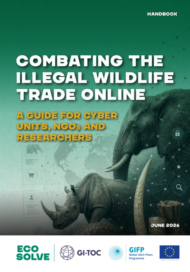
The illegal wildlife trade (IWT) is one of the world’s most lucrative criminal activities, and a growing share of it happens online. Traffickers use social media, e-commerce platforms, messaging apps and other digital channels to advertise and sell live animals and wildlife products. This harms biodiversity and animal welfare, and can increase the risk of zoonotic diseases.
This guide responds to this threat by helping legitimate agencies and organizations move from ad hoc online searching to structured, accountable and comparable monitoring of online IWT. It provides a practical framework for setting objectives, prioritizing species and platforms, managing data, applying safeguards and sharing intelligence responsibly. The goal is to help them design and run effective online monitoring regimens in their countries or regions.
To reduce the risk of misuse, the guide stays at the level of governance, prioritization, data standards, analytical workflow and responsible intelligence sharing. The focus is on helping legitimate actors generate insights that support enforcement and policy.