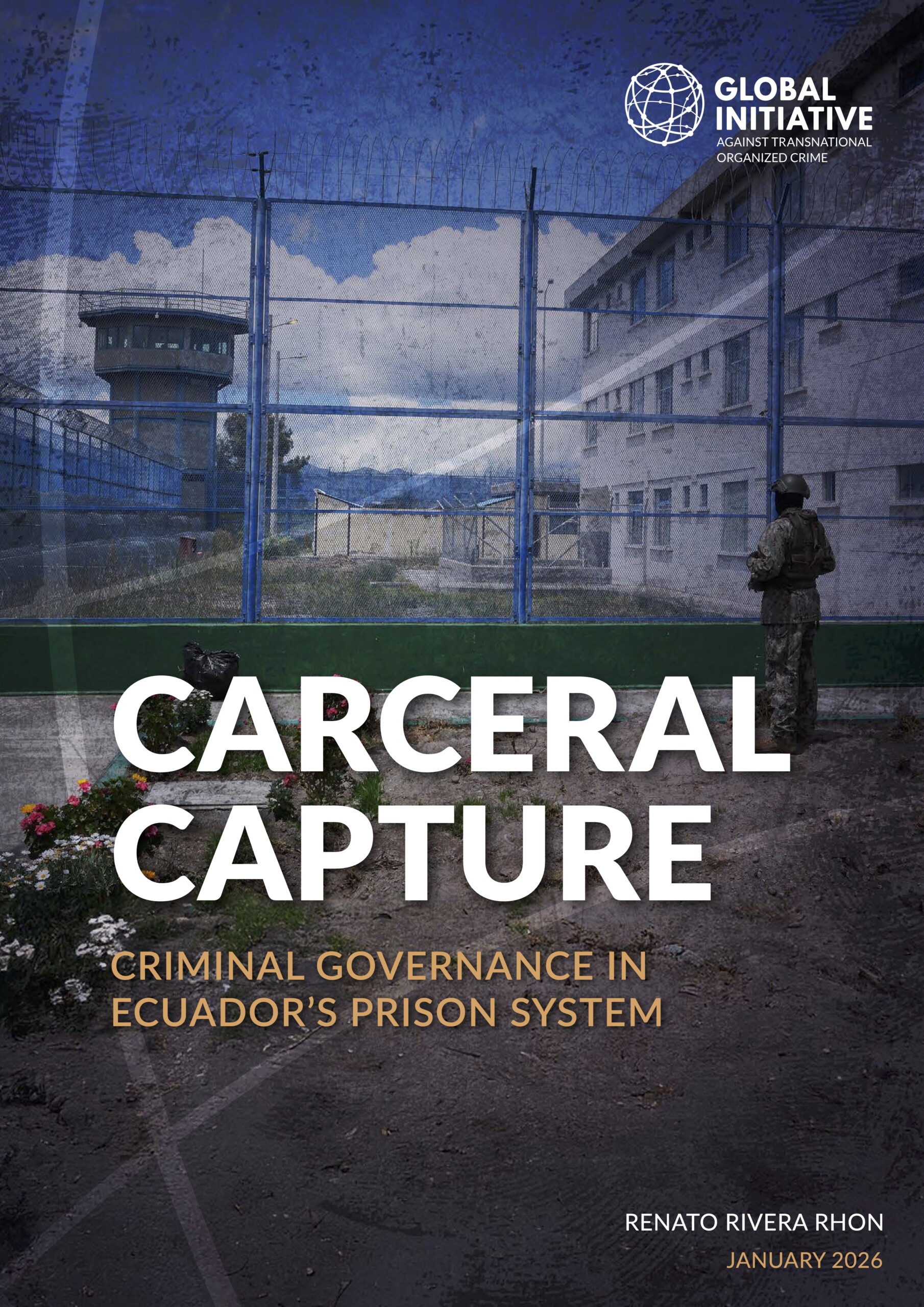
Ecuador’s prison system has undergone a profound transformation over the past decade. This report examines how criminal groups have consolidated control inside prisons, reshaping them into spaces governed through violence, coercion and informal authority rather than by the state.
The study traces how criminal governance inside Ecuador’s prisons did not emerge overnight, but developed alongside structural weaknesses in prison administration, chronic overcrowding, underfunding, and the progressive withdrawal of effective state control. As the system expanded rapidly, prisons became central nodes in wider criminal economies, enabling incarcerated leaders to maintain authority, coordinate illicit activities and exercise power both inside and beyond prison walls.
Drawing on qualitative research and case analysis, the report documents how criminal groups have established parallel systems of rule within prisons. These systems regulate access to basic goods and services, impose internal norms, and enforce compliance through violence. Control over cell blocks, wings or entire facilities allows groups to extract rents, manage internal disputes and determine who may live, move or survive within prison space.
The study shows that prisons have become arenas of violent competition between criminal groups. Large-scale massacres and recurrent outbreaks of violence are not random events but are closely linked to struggles over territorial control, leadership succession and access to resources. The report highlights how shifts in the criminal landscape outside prisons are mirrored inside them, with alliances and rivalries playing out through extreme violence.
State responses to the prison crisis have largely relied on militarisation and emergency measures. While these interventions have temporarily reasserted physical control, the report finds that they have not dismantled criminal governance structures. In some cases, short-term crackdowns have been followed by renewed violence or the reconfiguration of criminal control, rather than its elimination.
The report also examines the human consequences of carceral capture. Incarcerated people are exposed to persistent insecurity, extortion and arbitrary punishment. Family members are drawn into prison economies through payments, deliveries and negotiations necessary for survival. Prison staff operate under constant threat, facing coercion and limited institutional support.
Our research situates Ecuador’s prison crisis within broader dynamics of organised crime and governance. It shows how prisons function not only as sites of detention, but as strategic spaces where criminal power is produced, contested and projected outward.
The report concludes that addressing prison violence requires more than episodic security interventions. It underscores the need to understand prisons as political and economic spaces shaped by long-term neglect, institutional fragility and criminal adaptation. Without confronting the conditions that allow criminal governance to flourish, efforts to restore state authority inside prisons are likely to remain partial and temporary.
Captura carcelaria: La gobernanza criminal en el sistema penitenciario de Ecuador
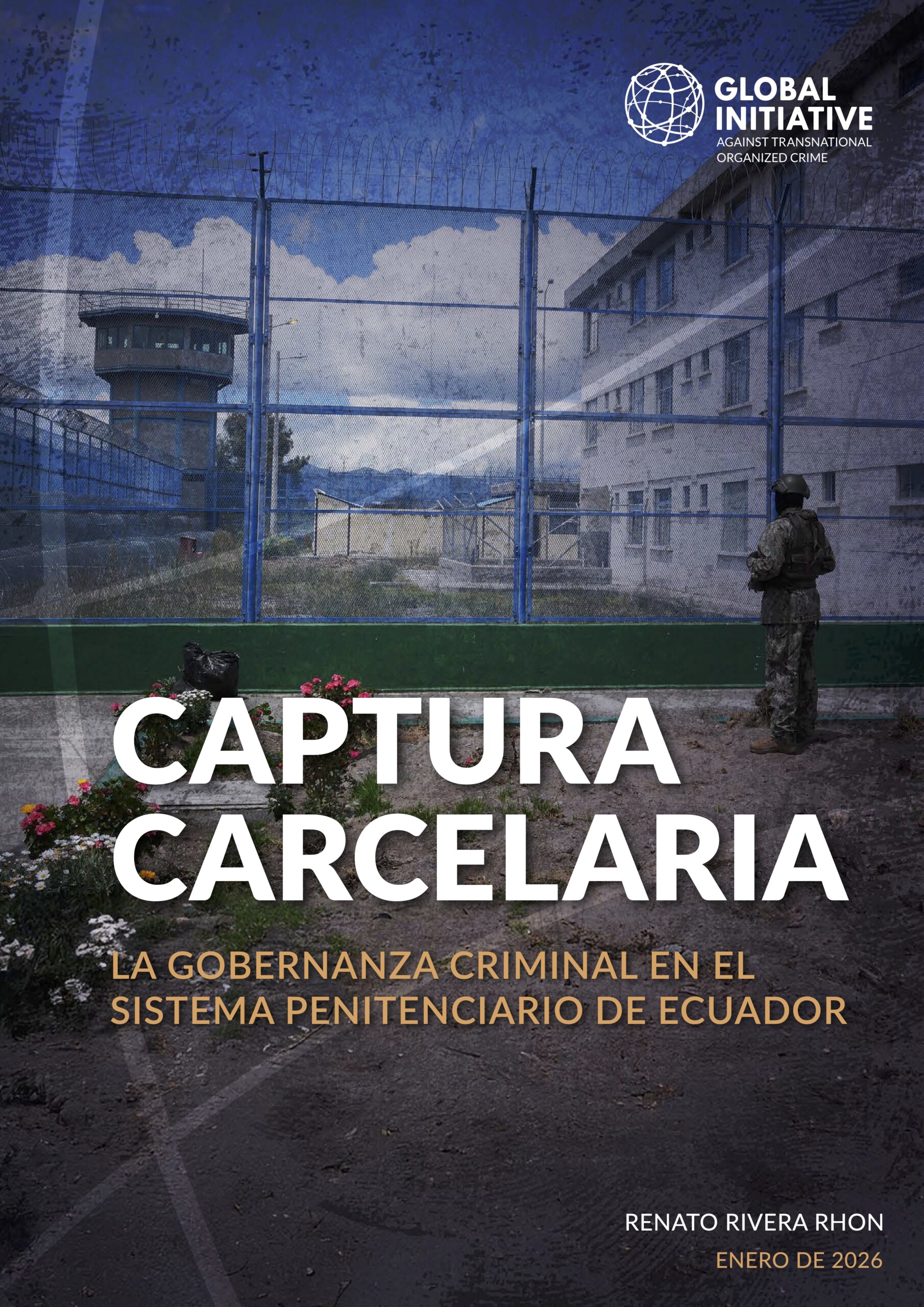
El sistema penitenciario de Ecuador ha experimentado una transformación profunda en la última década. Este informe examina cómo los grupos criminales han consolidado el control dentro de las cárceles, transformándolas en espacios gobernados por la violencia, la coerción y la autoridad informal, más que por el Estado.
El estudio rastrea cómo la gobernanza criminal dentro de las cárceles ecuatorianas no surgió de la noche a la mañana, sino que se desarrolló junto con debilidades estructurales en la administración penitenciaria, el hacinamiento crónico, la falta de financiamiento y el retiro progresivo de un control estatal efectivo. A medida que el sistema se expandió rápidamente, las prisiones se convirtieron en nodos centrales de economías criminales más amplias, lo que permitió a líderes encarcelados mantener autoridad, coordinar actividades ilícitas y ejercer poder tanto dentro como fuera de los muros penitenciarios.
A partir de investigación cualitativa y análisis de casos, el informe documenta cómo los grupos criminales han establecido sistemas paralelos de gobierno dentro de las cárceles. Estos sistemas regulan el acceso a bienes y servicios básicos, imponen normas internas y hacen cumplirlas mediante la violencia. El control de pabellones, alas o incluso de instalaciones completas permite a estos grupos extraer rentas, gestionar disputas internas y determinar quién puede vivir, desplazarse o sobrevivir dentro del espacio carcelario.
El estudio muestra que las prisiones se han convertido en escenarios de competencia violenta entre grupos criminales. Las masacres a gran escala y los brotes recurrentes de violencia no son hechos aleatorios, sino que están estrechamente vinculados a disputas por el control territorial, la sucesión de liderazgos y el acceso a recursos. El informe destaca cómo los cambios en el panorama criminal fuera de las cárceles se reflejan en su interior, con alianzas y rivalidades que se expresan a través de una violencia extrema.
Las respuestas del Estado a la crisis penitenciaria se han basado en gran medida en la militarización y en medidas de emergencia. Si bien estas intervenciones han restablecido temporalmente el control físico, el informe concluye que no han desmantelado las estructuras de gobernanza criminal. En algunos casos, las represiones de corto plazo han sido seguidas por nuevos episodios de violencia o por la reconfiguración del control criminal, más que por su eliminación.
El informe también examina las consecuencias humanas de la captura carcelaria. Las personas privadas de libertad están expuestas a una inseguridad persistente, a la extorsión y a castigos arbitrarios. Los familiares se ven arrastrados a las economías carcelarias mediante pagos, entregas y negociaciones necesarias para la supervivencia. El personal penitenciario opera bajo una amenaza constante, enfrentando coerción y un apoyo institucional limitado.
Nuestra investigación sitúa la crisis penitenciaria de Ecuador dentro de dinámicas más amplias de crimen organizado y gobernanza. Muestra cómo las cárceles funcionan no solo como espacios de detención, sino como ámbitos estratégicos donde el poder criminal se produce, se disputa y se proyecta hacia el exterior.
El informe concluye que abordar la violencia en las cárceles requiere algo más que intervenciones de seguridad episódicas. Subraya la necesidad de comprender las prisiones como espacios políticos y económicos moldeados por el abandono de largo plazo, la fragilidad institucional y la adaptación criminal. Sin enfrentar las condiciones que permiten que la gobernanza criminal prospere, los esfuerzos por restaurar la autoridad del Estado dentro de las cárceles probablemente seguirán siendo parciales y temporales.