Guatemala, 17 February 2026 – Guatemala hosted the official launch of the Latin American Forum on Democratic Security and Territorial Governance, marking the formal start of the Latin American and Caribbean Group on Security and Democracy (GLACSED, for its acronym in Spanish), a new regional platform focused on strengthening evidence-based public security policies, multilevel cooperation and respect for the rule of law.
The event, held at the National Palace of Culture in Guatemala City, brought together national authorities, former presidents, international experts, representatives of subnational governments and strategic partners to address in a coordinated manner the challenges that organized crime poses to democratic governance in Latin America. Guatemala’s President, Bernardo Arévalo, also participated in the launch, reaffirming the country’s commitment to strengthening democratic security and advancing coordinated regional responses to organized crime within the framework of the rule of law.
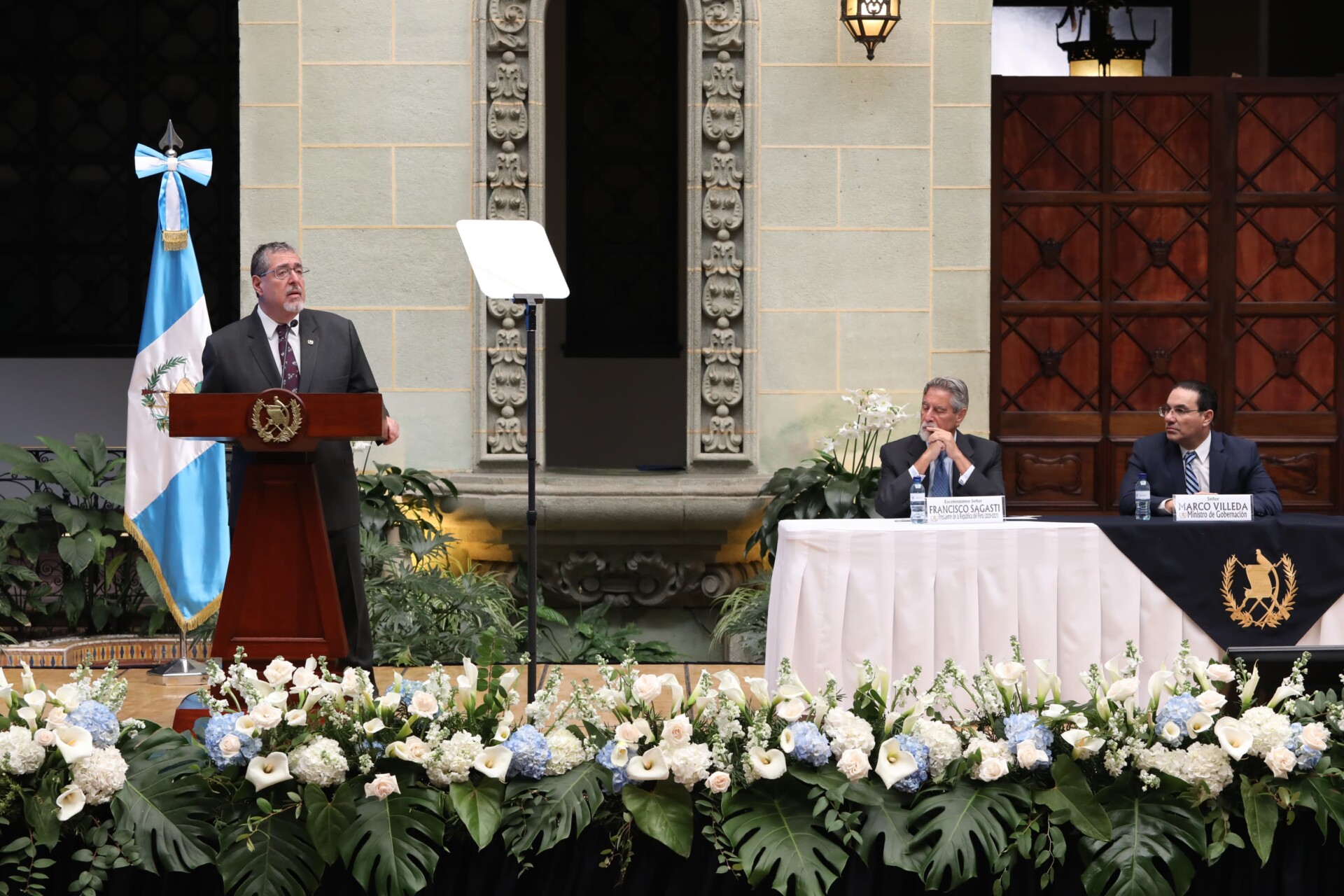
During the official opening, Marco Antonio Villeda, Minister of the Interior, emphasized that Guatemala assumes responsibility for this first regional launch, underlining the importance of territorial coordination in matters of security. “Democracy is never an obstacle to security; rather, it strengthens it. That is why Guatemala reaffirms its commitment to democratic public security, based on evidence, territorial coordination and full respect for the Constitution and human rights. In the face of the advance of organized crime, the response must be firm, but also legitimate and sustainable.”
Carlos Alvarado Quesada, former President of Costa Rica (2018–2022), President of GLACSED, and founder of the Institute for Climate, Democracy and Inclusion (CDI), highlighted that the challenges posed by organized crime transcend borders and require coordinated regional responses. “Security and democracy are not opposing objectives; both are necessary and complementary. Latin America needs to strengthen its institutions with evidence-based solutions, regional cooperation and territorial leadership. GLACSED is born as a space to build those responses from the local to the regional level,” Alvarado stated.
Francisco Sagasti, former President of Peru (2020–2021) and member of the Club de Madrid, was another former president who participated in this initiative. Mr. Sagasti stated: “Organized crime is today one of the main threats to democracy, development and citizen security in Latin America. Combating it requires strong institutions, effective international cooperation and a firm commitment to the rule of law. Initiatives such as GLACSED, which is launched today in Guatemala, represent a decisive step toward coordinating regional efforts to confront criminal networks that do not recognize borders and that can only be defeated through coordinated actions among countries.”
The Forum included plenary sessions, parallel sessions and working spaces aimed at developing a 2026 Territorial Roadmap, which will prioritize concrete actions across four strategic pillars: territorial responses to organized crime, reduction of extortion, prison system strengthening and technological innovation for democratic security.
As a result of the meeting, authorities and representatives adopted the Guatemala Declaration for Democratic Security and Territorial Governance, reaffirming their commitment to promoting legitimate, effective and sustainable public policies, as well as consolidating GLACSED as a regional cooperation platform.
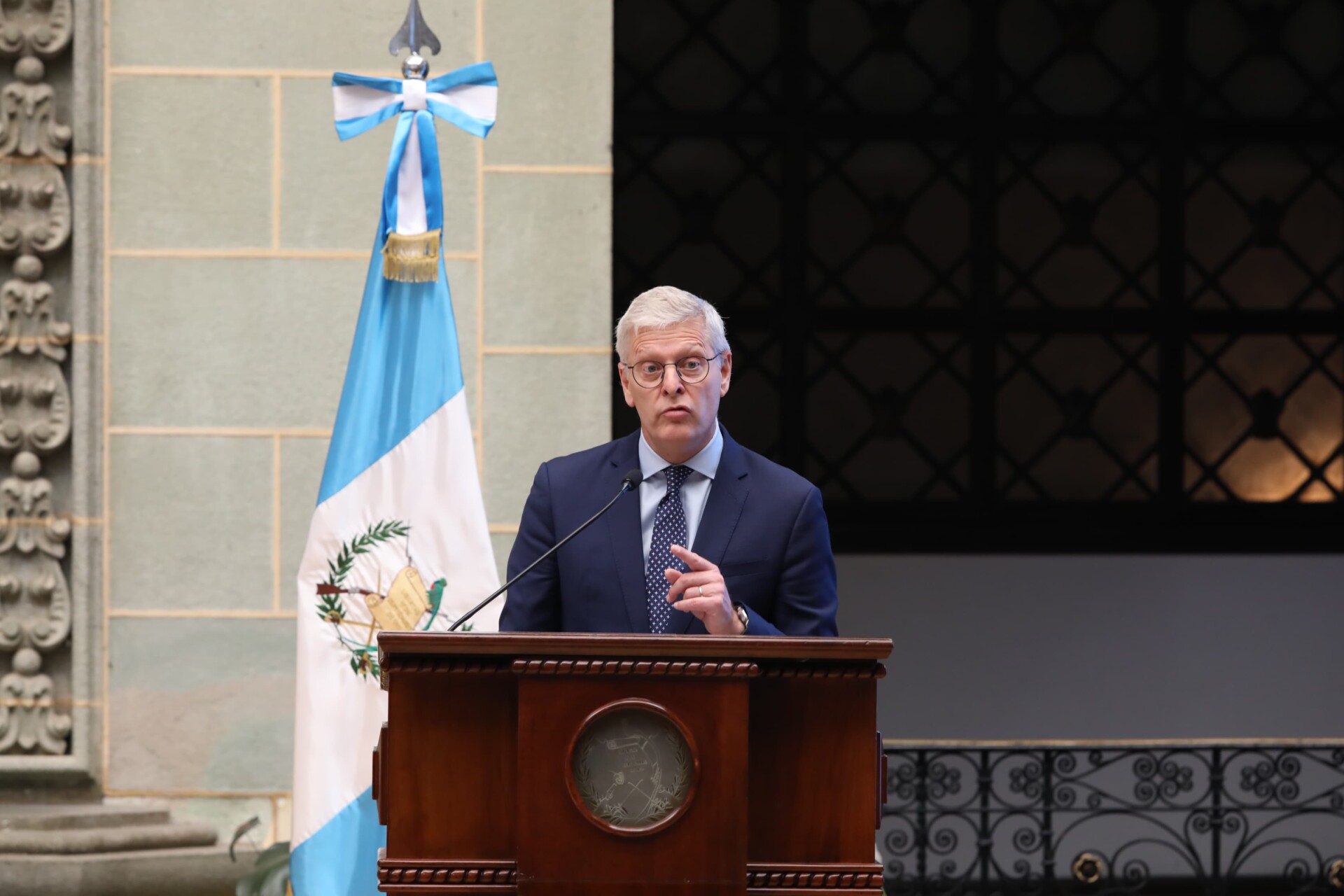
Mark Shaw, Executive Director of the Global Initiative Against Transnational Organized Crime (GI-TOC) and Technical Secretary of GLACSED, presented an analysis of global organized crime trends and the need for multisectoral responses. “What we are building is a platform based on three pillars: political consensus for an effective response within the law, the experience of experts and movements with a proven track record, and practical action on the ground. It has never been more urgent than now to respond to organized crime with concrete and legal solutions. Citizens’ fears are real, and our responsibility is to address them with firm responses, but always within the rule of law,” Shaw stated.
With this launch, Guatemala positions itself as the first host country of this Latin American initiative aimed at strengthening rule-of-law institutions, restoring citizen trust and advancing democratic public security in the region.
Nueva iniciativa latinoamericana contra el crimen organizado lanzada en Guatemala
Guatemala, 17 de febrero de 2026.- Guatemala fue sede del lanzamiento oficial del Foro Latinoamericano de Seguridad Democrática y Gobernanza Territorial, espacio que marca el inicio formal del Grupo Latinoamericano y del Caribe de Seguridad y Democracia (GLASED), una nueva plataforma regional orientada a fortalecer políticas de seguridad pública basadas en evidencia, cooperación multinivel y respeto al Estado de derecho.
El evento, realizado en el Palacio Nacional de la Cultura, reunió a autoridades nacionales, expresidentes, expertos internacionales, representantes de gobiernos subnacionales y socios estratégicos para abordar de manera articulada los desafíos que el crimen organizado representa para la gobernanza democrática en Latinoamérica. El presidente de Guatemala, Bernardo Arévalo, también participó en el lanzamiento, reafirmando el compromiso de su país con el fortalecimiento de la seguridad democrática y la promoción de respuestas regionales coordinadas frente al crimen organizado, en el marco del Estado de derecho.
Durante la apertura oficial, Marco Antonio Villeda, ministro de Gobernación, destacó que Guatemala asume con responsabilidad este primer lanzamiento regional, subrayando la importancia de la articulación territorial en materia de seguridad. “La democracia nunca es un obstáculo para la seguridad más bien la fortalece, por eso Guatemala reafirma su compromiso con una seguridad pública democrática, basada en evidencia, coordinación territorial y pleno respeto a la Constitución y los derechos humanos. Frente al avance del crimen organizado, la respuesta debe ser firme, pero también legítima y sostenible”.
Carlos Alvarado Quesada, expresidente de Costa Rica (2018–2022), presidente del GLASED, y fundador del Instituto para el Clima, la Democracia y la Inclusión (CDI), resaltó que los desafíos del crimen organizado trascienden fronteras y requieren respuestas regionales coordinadas. “La seguridad y la democracia no son objetivos contrapuestos; ambos son necesarios y complementarios. Latinoamérica necesita fortalecer sus instituciones con soluciones basadas en evidencia, cooperación regional y liderazgo territorial. El GLASED nace como un espacio para construir esas respuestas desde lo local hacia lo regional”, señaló Alvarado.
Francisco Sagasti, expresidente de Perú (2020 – 2021) y miembro del Club de Madrid, fue otro de los expresidentes que participó en esta iniciativa. El Sr. Sagasti indicó: “El crimen organizado es hoy una de las principales amenazas contra la democracia, el desarrollo y la seguridad ciudadana en América Latina. Combatirlo exige instituciones sólidas, cooperación internacional efectiva y un compromiso firme con el Estado de derecho. Iniciativas como GLASED, que hoy se lanza en Guatemala, representan un paso decisivo hacia la articulación de esfuerzos regionales para enfrentar redes criminales que no reconocen fronteras y que solo pueden ser derrotadas mediante acciones coordinadas entre países”.
El Foro incluyó plenarias, sesiones paralelas y espacios de trabajo orientados a construir una Hoja de Ruta Territorial 2026, que priorizará acciones concretas en cuatro ejes estratégicos: respuesta territorial al crimen organizado, reducción de la extorsión, fortalecimiento penitenciario e innovación tecnológica para la seguridad democrática.
Como resultado del encuentro, las autoridades y representantes adoptaron la Declaración de Guatemala por la Seguridad Democrática y la Gobernanza Territorial, reafirmando el compromiso de promover políticas públicas legítimas, eficaces y sostenibles, así como consolidar el GLASED como plataforma regional de cooperación.
Por su parte, Mark Shaw, director ejecutivo de la Global Initiative Against Transnational Organized Crime (GI-TOC) y secretario técnico del GLASED, presentó un análisis sobre las tendencias globales del crimen organizado y la necesidad de respuestas multisectoriales. “Lo que estamos construyendo es una plataforma basada en tres pilares: consenso político para una respuesta efectiva dentro de la ley, la experiencia de expertos y movimientos con trayectoria, y acciones prácticas en el territorio. Nunca ha sido más urgente que ahora, el responder al crimen organizado con soluciones concretas y legales. Los temores de la ciudadanía son reales, y nuestra responsabilidad es atenderlos con respuestas firmes, pero siempre dentro del Estado de derecho”, afirmó Shaw.
Con este lanzamiento, Guatemala se posiciona como el primer país anfitrión de esta iniciativa latinoamericana que busca fortalecer las instituciones del Estado de derecho, recuperar la confianza ciudadana y avanzar hacia una seguridad pública democrática en la región.
