Posted on 29 Oct 2025
Across the Mekong, organized crime shapes daily life—from illegal casinos in the Golden Triangle and synthetic drug production in Vietnam, to human trafficking, cyber scams, and the looting of forests and wildlife.
Mekong Matters is a new podcast from the Global Initiative Against Transnational Organized Crime (GI-TOC) featuring experts, investigators and local leaders who expose how criminal networks operate in their communities and across borders—and why their reach extends far beyond South East Asia.
In this series, we will be speaking on a diverse set of topics – from illegal casinos and laundering hubs – Synthetic drugs and cross-border drug trafficking – Human trafficking, forced scamming, and cyber-scam compounds – Corruption, shadow economies, and state capture – Money laundering and illicit finance – Wildlife trafficking, illegal rosewood logging, and environmental crime – Arms trafficking and smuggling routes – How crime impacts communities, healthcare, and governance.
Why it matters?
The Mekong region (Myanmar, Laos, Thailand, Cambodia and Vietnam) is a global hub for transnational organized crime. – These criminal economies affect public safety, development, stability, public health, and democracy—locally and worldwide.
This podcast series is for journalists, researchers, policymakers, civil society, and anyone tracking the Mekong, South East Asia, or global illicit economies. This podcast has been funded by the Australian Government through the Department of Foreign Affairs and Trade. The views expressed in this publication are the author’s alone and are not necessarily the views of the Australian Government.
In this episode of Mekong Matters, we examine how popular online games and adjacent platforms are being weaponized to target and exploit young people in Thailand.
Our guest Wirawan “Boom” Mosby, founder and director of the Hug Project Thailand, shares on-the-ground insights into how trust is built and abused online, how perpetrators profit from live-streamed content, and what families, schools, tech companies, and governments can do to protect children.
If you or someone you know needs help:
- Contact your local child protection services or law enforcement immediately.
- Report abusive content directly on the platform where it appears
- Reach out to reputable child protection NGOs in your area
This podcast has been funded by the Australian Government through the Department of Foreign Affairs and Trade. The views expressed in this publication are the author's alone and are not necessarily the views of the Australian Government.
{{d-research-links-list}}
In this episode of Mekong Matters, we turn to Laos, where girls and young women are being lured across borders by false promises of jobs, security, and marriage. Once separated from their families, many face forced labor, sexual exploitation, surrogacy, and coerced criminal activity.
Our guest, Madame Intana, Director of the Association for Development of Women and Legal Education (ADWLE), explains how poverty, debt, gender norms, and limited opportunities drive vulnerability.
We also examine why many victims hesitate to seek help and the practical challenges they face, from lack of internet access to the need for precise address details to reach authorities.
This podcast has been funded by the Australian Government through the Department of Foreign Affairs and Trade. The views expressed in this publication are the author's alone and are not necessarily the views of the Australian Government.
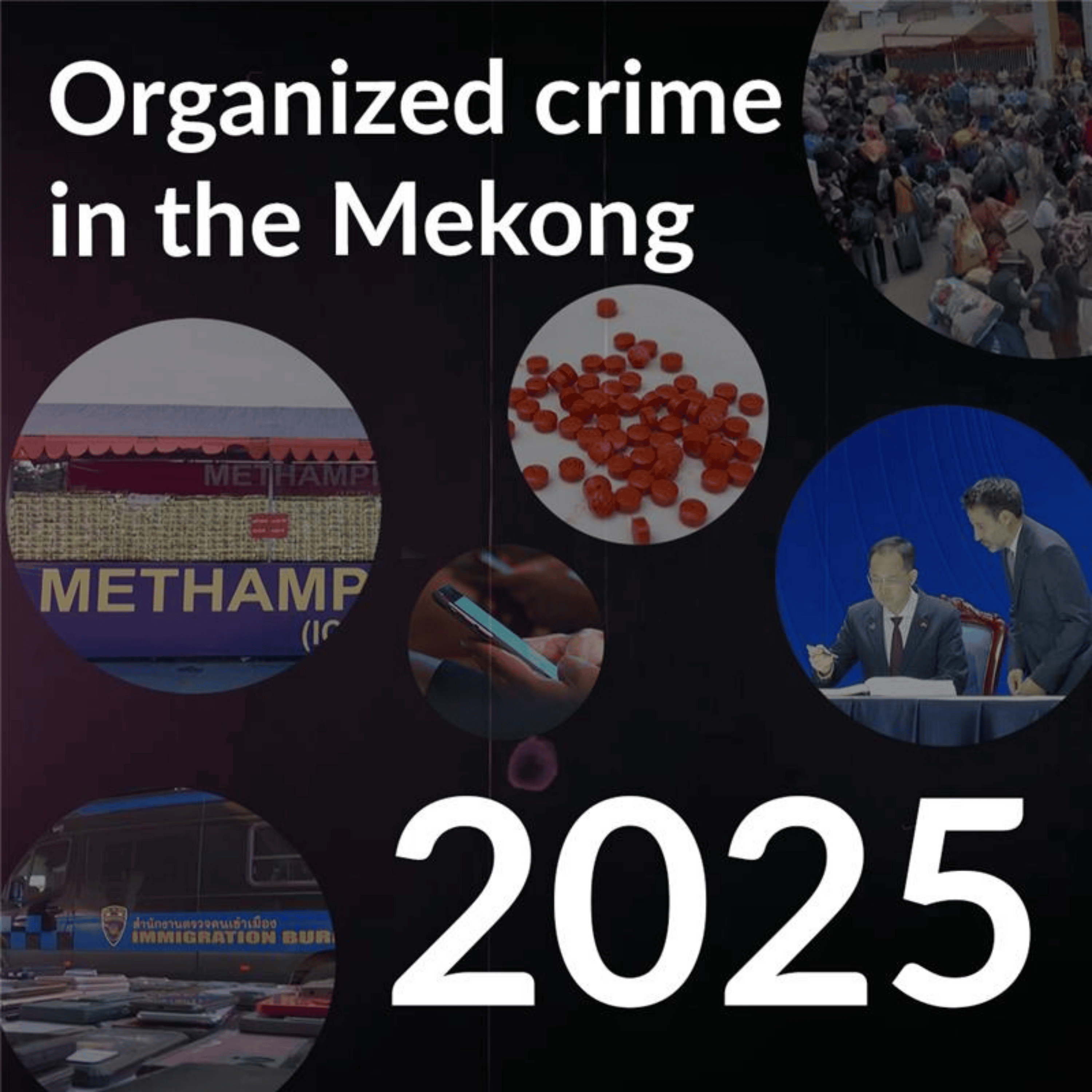
In this end-of-year episode of Mekong Matters, we unpack how organized crime across the Mekong evolved in 2025, shedding light on the alarming developments that have taken place throughout the year. From industrial-scale cyber scam compounds and widening human trafficking networks to booming synthetic drug markets and sophisticated money laundering operations, we explore the multifaceted nature of these issues. Experts in the field explain in detail why the crisis is not only localized but is also spreading across continents, posing a significant challenge to global security.
Subscribe for monthly deep dives on organized crime trends across the Mekong.
Hosted by Trang Nguyen
🎧 New episodes on the last Monday of every month.
🤳 Subscribe to keep up to date.
Chapters:
00:00 - Opening: 2025 overview and the industrialization of cyber scams
00:45 - Scam epicentres: Cambodia, Laos, and Myanmar
01:22 - How scam centres resurface after crackdowns
02:13 - Going transnational: expansion to Africa, Middle East, Pacific, South Asia
03:45 - Prevention: collaboration, data sharing, and top-level accountability
04:15 - Trafficking risks in Cambodia
06:29 - Labour trafficking and debt bondage explained
06:36 - Child sexual exploitation online: livestreams, sextortion, and AI imagery
08:09 - Language gaps: why Mekong-region content goes undetected
08:46 - Drugs in 2025: synthetic markets surge; Myanmar’s role
10:04 - Meth volumes visualized and the debate on drivers
12:35 - Following the money: shell companies and cross-border laundering
14:06 - Thailand temple scandal: embezzlement, extortion, and weak oversight
16:25 - Response gap widens: resilience vs. cyber/financial crime
17:09 - Cybercrime Convention: promise, timelines, and acting now
18:25 - Stay informed about organised crime in the Mekong
Guests:
Jason Tower - Senior Expert, GI-TOC
BC Tan - Managing Director & Head of Investigations in South East Asia, Kroll
Lindsey Kennedy - Investigative Journalist
Moeun Tola - Executive Director for the Center for Alliance for Labor and Human Rights
Virginia Comolli - Head of Pacific Programme, GI-TOC
Itsaraporn Daoram - Regional Coordinator for East Asia, Southeast Asia and the Pacific, ECPAT
Patrick Winn - Investigative Journalist
Khemthong Tonsakulrungruang - Constitutional Law Scholar
Ian Tennant - Director of Multilateral Engagement, GI-TOC
This podcast has been funded by the Australian Government through the Department of Foreign Affairs and Trade. The views expressed in this publication are the author's alone and are not necessarily the views of the Australian Government.
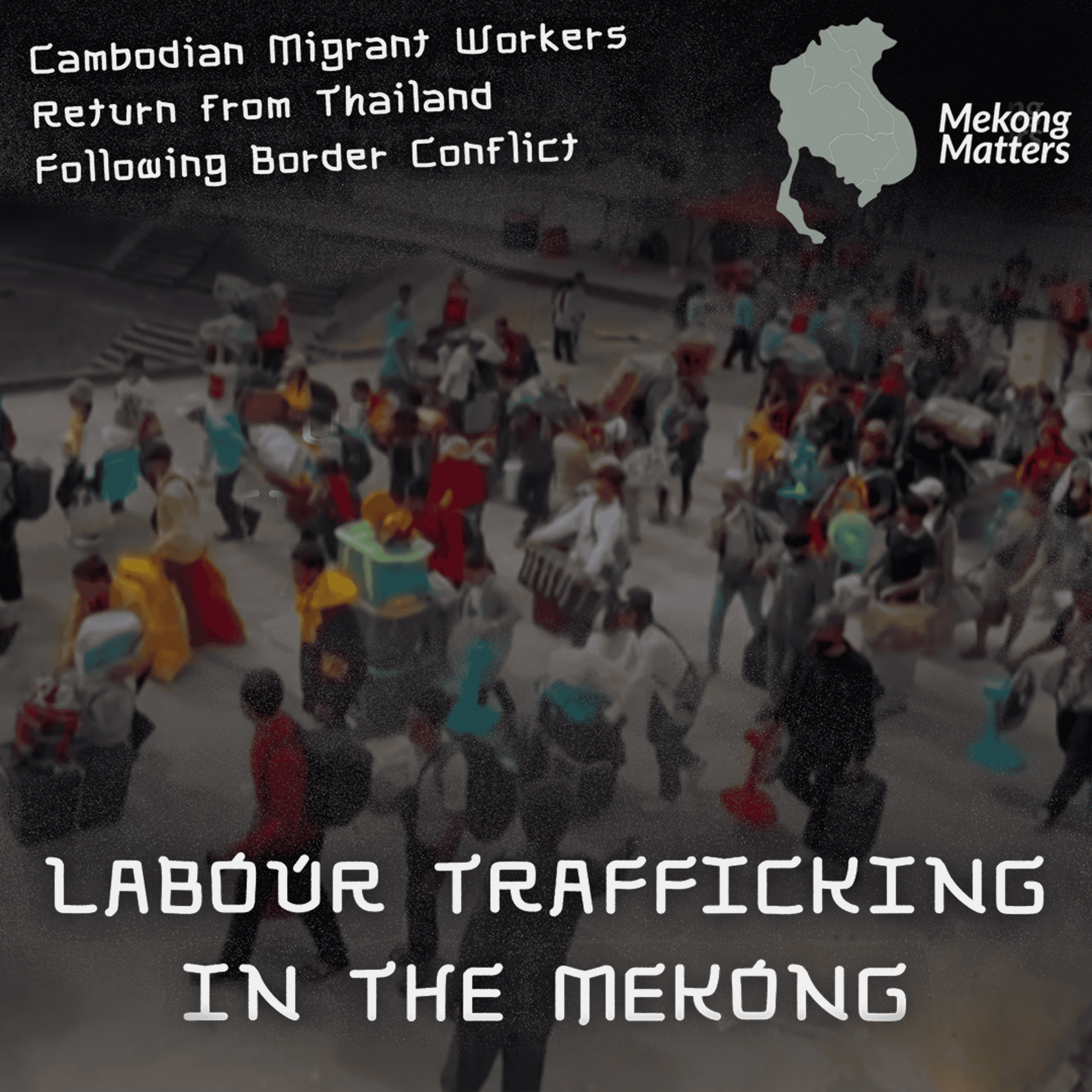
Border tensions between Cambodia and Thailand have pushed thousands of Cambodian migrant workers to return home. They face debt, unemployment, and heightened risk of labour trafficking. In this Mekong Matters episode, Trang Nguyen speaks with Moeun Tola, the Executive Director of the Center for Alliance of Labor and Human Rights (CENTRAL), about:
- How 2 million Cambodians working in Thailand are affected by conflict and xenophobia
- Debt bondage (51% of adult Cambodians in debt) and why “legal” recruitment can still be trafficking
- Passport withholding, forced labour, and the hidden mechanics of labour exploitation
- The vulnerabilities of low-skilled workers and migrant families with children
- What needs to change: agricultural reform, social land concessions, start-up capital, processing industries, market access
- The urgent need for real law enforcement
Chapters:
0:00 Trafficking victims need protection, not punishment
0:39 Episode intro and context
1:08 Border conflict and mass returns from Thailand
2:05 Jobs, debt, and Cambodia’s employment reality
3:47 Who’s most vulnerable and why
5:06 Debt bondage and “legal” labour trafficking explained
7:24 Migration by choice vs. necessity; regional risks
9:17 Long-term solutions: land, capital, and markets
12:14 Awareness campaigns, youth volunteers, and broker pushback
If you found this useful:
- Subscribe for more episodes of Mekong Matters
- Share this episode to raise awareness
- Learn more about GI-TOC’s work: globalinitiative.net
#MekongMatters #Cambodia #MigrantWorkers #LabourTrafficking #DebtBondage #HumanRights #Thailand #Migration #CENTRAL #GITOC
This podcast has been funded by the Australian Government through the Department of Foreign Affairs and Trade. The views expressed in this publication are the author's alone and are not necessarily the views of the Australian Government.
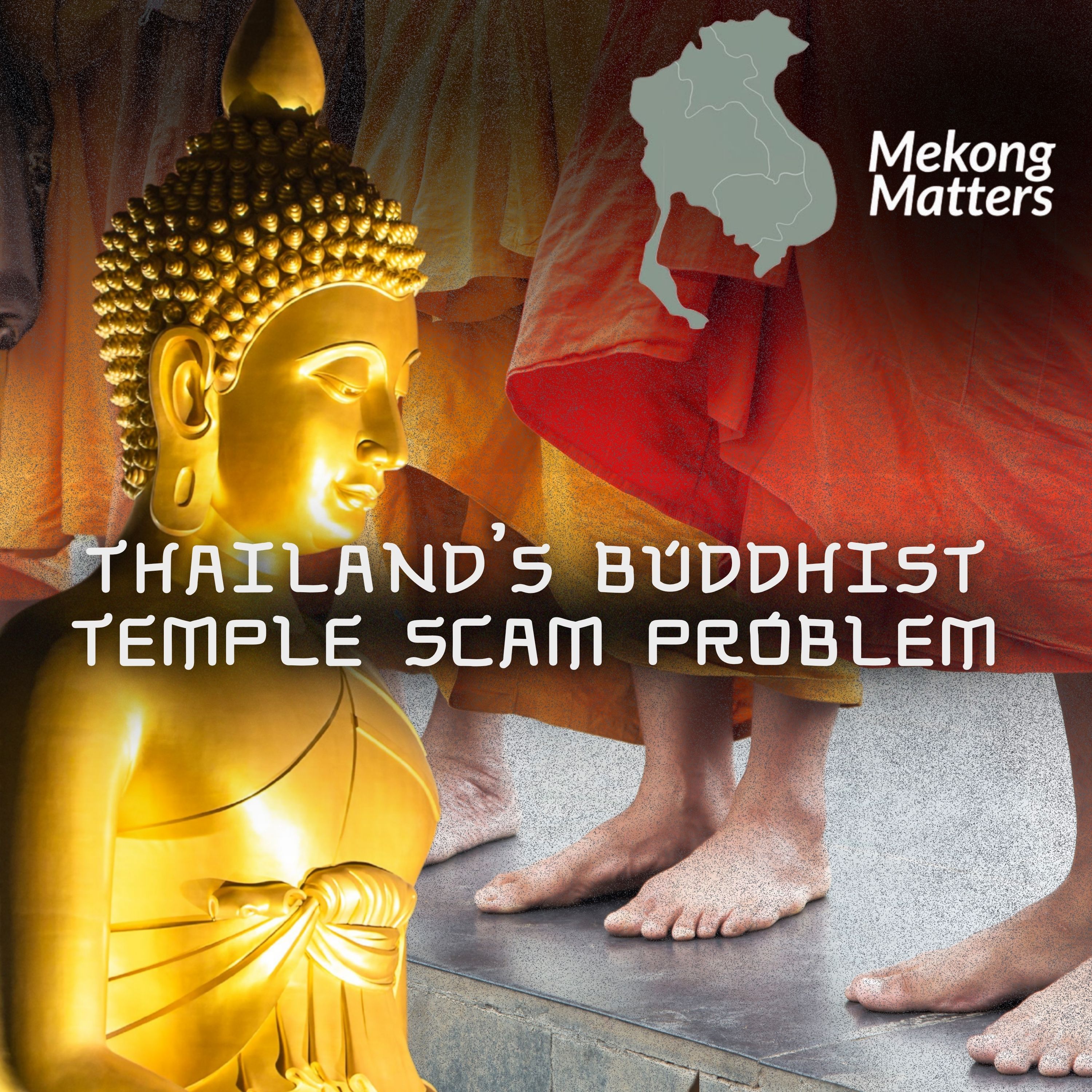
Thailand is grappling with a wave of financial crimes linked to Buddhist temples—embezzlement, money laundering, misuse of donations, and blackmail scandals involving senior abbots. Despite public scandals, donations remain high and systemic issues persist. In this episode of Mekong Matters by the Global Initiative Against Transnational Organized Crime, Trang Nguyen speaks with legal scholar Khemthong Tonsakulrungruang about how structural loopholes, weak enforcement, low financial literacy, and deep cultural reverence for monks have enabled large-scale white-collar crime within the Thai Sangha.
We unpack: - The “Miss Golf” scandal and its connection to broader, systemic financial abuses - Why senior abbots appeared untouchable—and how cultural norms complicate accountability - The massive scale of temple wealth, from cash donations to land leases - Existing regulations vs. enforcement gaps (less than 10% compliance) - Practical reform steps: stronger accounting, electronic donations, cash limits, audits, and the role of the Sangha Council - Why police crackdowns miss the mark for complex, white-collar crimes—and why investigative journalism and forensic accounting matter.
🎙️ Hosted by Trang Nguyen
🎧 New episodes on the last Monday of every month.
🤳 Subscribe to keep up to date.
Chapters:
0:00 - Thai faith remains high despite scandals
0:36 - The “Miss Golf” case and wave of temple financial crimes
2:01 - Why this scandal is different: systemic links and scale
3:33 - Are senior abbots “untouchable”?
4:58 - Cultural reverence and immunity for monks
5:09 - What regulations exist for temple finances?
6:38 - Why enforcement fails: temple size and low financial literacy
8:16 - Monastic vs. civil property rules—and the abbot’s discretion
9:48 - Temple revenue streams: donations, rents, and no audit trail
10:36 - Real solutions: accounting standards, audits, journalism
11:56 - New measures: cash limits and e-donation trails
13:03 - Wrap-up
🎙️ Hosted by Trang Nguyen
Guest:
Dr. Khemthong Tonsakulrungruang — Specialist in Buddhism and constitutional law, focusing on governance, religious regulation, and the Thai Sangha.
Key takeaways:
This is a structural governance problem, not isolated misconduct. - Regulations exist on paper; enforcement and capacity are the weaknesses. - Transparent accounting, electronic payment trails, and independent oversight are essential. - Cultural deference to monks hinders scrutiny and accountability.
#Thailand #Buddhism #TempleScandal #FinancialCrime #Corruption #ThaiSangha #Governance #SoutheastAsia #MekongMatters #OrganizedCrime
Resources and links:
Global Initiative Against Transnational Organized Crime: https://globalinitiative.net
The Observatory of Illicit Economies in Asia-Pacific: https://globalinitiative.net/observatory/apa-obs/
Mekong Matters podcast page: https://www.youtube.com/playlist?list=PLXSX1Xu1kM0tpdNHXq-KOsVwPERwt_jOa
Follow us for more on organized crime, corruption, and governance in Southeast Asia: [add social links]
Subscribe for monthly episodes of Mekong Matters - Like, and share to support our analysis.
This podcast has been funded by the Australian Government through the Department of Foreign Affairs and Trade. The views expressed in this publication are the author's alone and are not necessarily the views of the Australian Government.
Covering everything from illegal casinos to the synthetic drug trade. Our newest podcast focuses on how organized crime shapes the Mekong region and beyond.
Brought to you by the Observatory of Illicit Economies in Asia-Pacific and the award-winning GITOC Podcast Network.