Posted on 09 Apr 2026
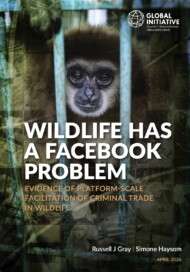
Illegal wildlife trade is no longer a peripheral online problem. It is a major digital market governance failure playing out during a global biodiversity crisis, with serious implications for conservation, rule of law and platform accountability.
The evidence shows that Facebook is not simply one platform among many. It is the central public infrastructure through which online wildlife trafficking is being concentrated, discovered and scaled.
Most Facebook detections involved highly regulated wildlife. The data indicates that 84% of advertisements were linked to CITES Appendix I species, while 58.3% involved endangered or critically endangered species. Facebook groups were the main locus of activity, accounting for 76% of detections, and 78% of records were encountered without actively searching for them.
These findings point to the role of group-based exposure and algorithmic promotion in how illegal content is surfaced. Content is not only discovered through searches, but through feeds, browsing and recommendations that connect users to wildlife trade networks.
The scale of commercial activity is also significant. Around 60% of detected advertisements included prices, with a total advertised value of US$66 014 467. Of this, Facebook accounted for US$65 042 748, or 98% of the total listed value.
The findings reflect a broader shift from physical to virtual markets. As connectivity, smartphones and platform-mediated commerce have expanded, wildlife trafficking has moved into social media environments that reduce search costs, connect geographically dispersed buyers and sellers, and allow transactions to begin in public before shifting to private channels.
Despite policy commitments and public statements, the visibility of illegal wildlife trade on Facebook persists. Independent evidence shows that platform systems can recommend or promote related content, and enforcement remains inconsistent.
Taken together, the findings indicate that this is a platform-governance problem rather than a series of isolated rule violations. The trade is multilingual, transnational and often encountered without active searching, requiring responses that address recommendation systems, group structures, moderation gaps and transparency.
The report calls for enforceable duties on platforms, stronger international coordination, multilingual detection and moderation, and effective reporting and takedown systems. Without structural changes and meaningful oversight, online wildlife trafficking will continue to be concentrated, encountered and scaled through mainstream digital platforms.