Posted on 04 Feb 2026
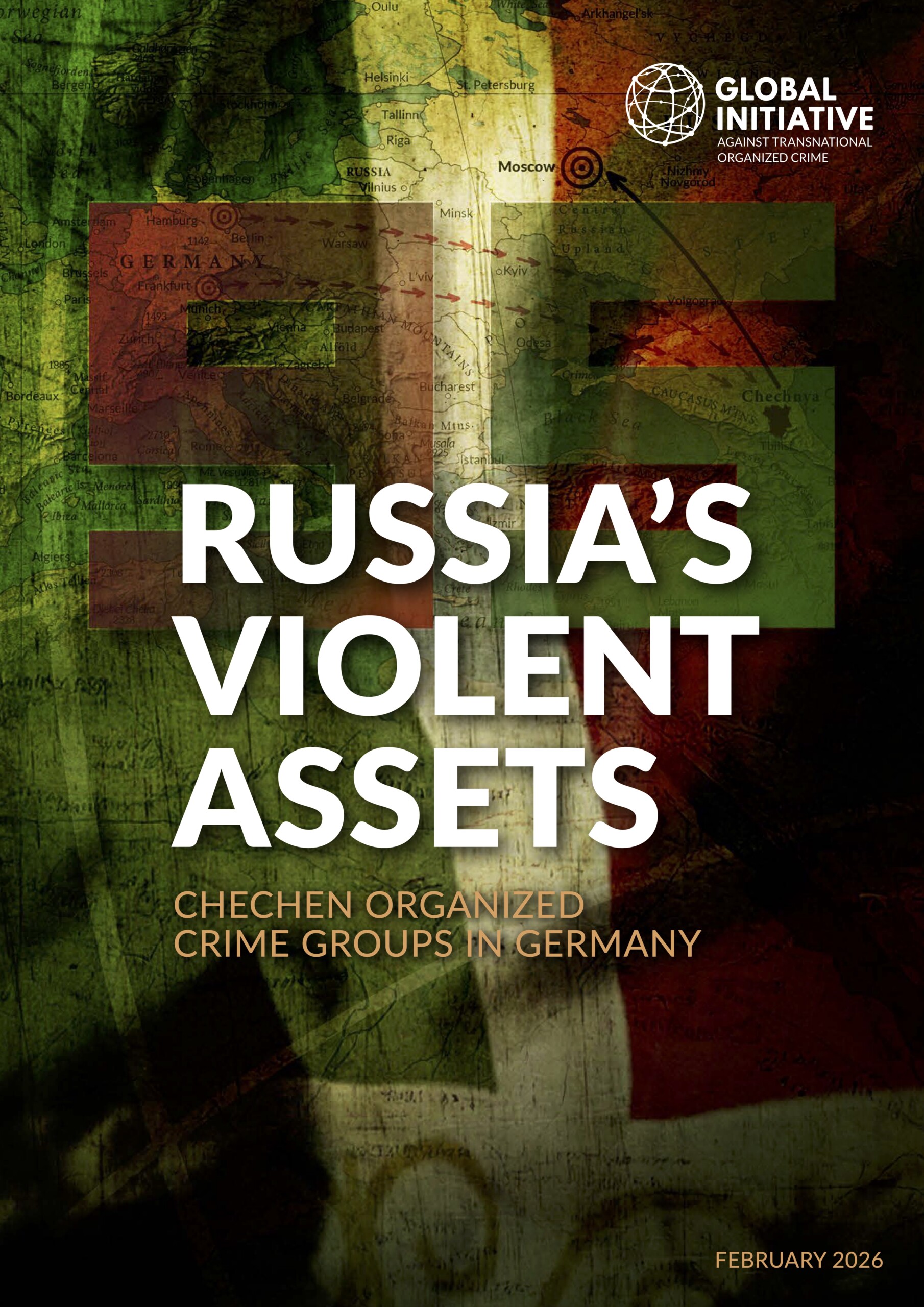
Chechen organized crime in Germany has become a phenomenon of increasing concern for German and European security. Its roots trace back to the collapse of the Soviet Union and Russia’s wars in Chechnya, which gave rise to informal economies, paramilitary structures and enduring dependency networks that were later transplanted into diaspora contexts.
Within Germany’s multi-ethnic organized crime landscape, these dynamics have shaped the emergence of cohesive, network-based criminal groups. The analysis consistently emphasizes that the patterns described relate to a small subset of actors and must not be conflated with the broader Chechen diaspora.
The report documents how these groups are involved in a broad spectrum of criminal activities, including drug trafficking, extortion, migrant smuggling, human trafficking, sexual exploitation, organized theft and other serious offences. Extortion is identified as a core activity, often embedded in informal protection arrangements and supported by strategic use of violence, reputational authority and tight social cohesion. Rather than exercising fixed territorial control, Chechen organized crime groups exert situational influence within specific markets and social environments, relying on diaspora embeddedness and informal authority structures.
Violence plays a central yet targeted role. The report finds that violence functions primarily as a regulatory mechanism used to enforce internal discipline, manage disputes, deter rivals and signal reliability within broader criminal milieus. Its effectiveness is amplified by shared community environments, norms of silence, and fears of retaliation or transnational repercussions. At the same time, the analysis cautions against public narratives that portray Chechen actors as indiscriminately violent, stressing instead the strategic and relational nature of coercion.
Organizationally, Chechen organized crime groups operate through decentralized, trust-based networks rather than rigid hierarchies. Authority is informal and relational, emerging from reputation, wartime capital, kinship and access to transnational connections. The report highlights the role of de facto authorities, coordinators, operational cores and peripheral milieus, showing how these overlapping circles sustain adaptability and resilience under law-enforcement pressure.
The analysis also addresses the blurred boundaries between organized crime, diaspora authority and political influence. In some cases, Chechen criminal actors maintain real or perceived ties to regime-aligned structures in Chechnya and Russia, contributing to hybrid roles that complicate distinctions between criminal entrepreneurship, informal mediation and external influence.
Based on extensive source triangulation, including academic research, security reporting, field experience and confidential interviews, the report does not aim to offer definitive conclusions. Instead, it outlines patterns, identifies structural features and raises questions relevant to prevention, intelligence work and diaspora engagement. In doing so, it seeks to contribute to a more nuanced, evidence-based understanding of Chechen organized crime in Germany, while explicitly warning against stereotyping or collective suspicion of Chechen communities.